
By Emma Jones
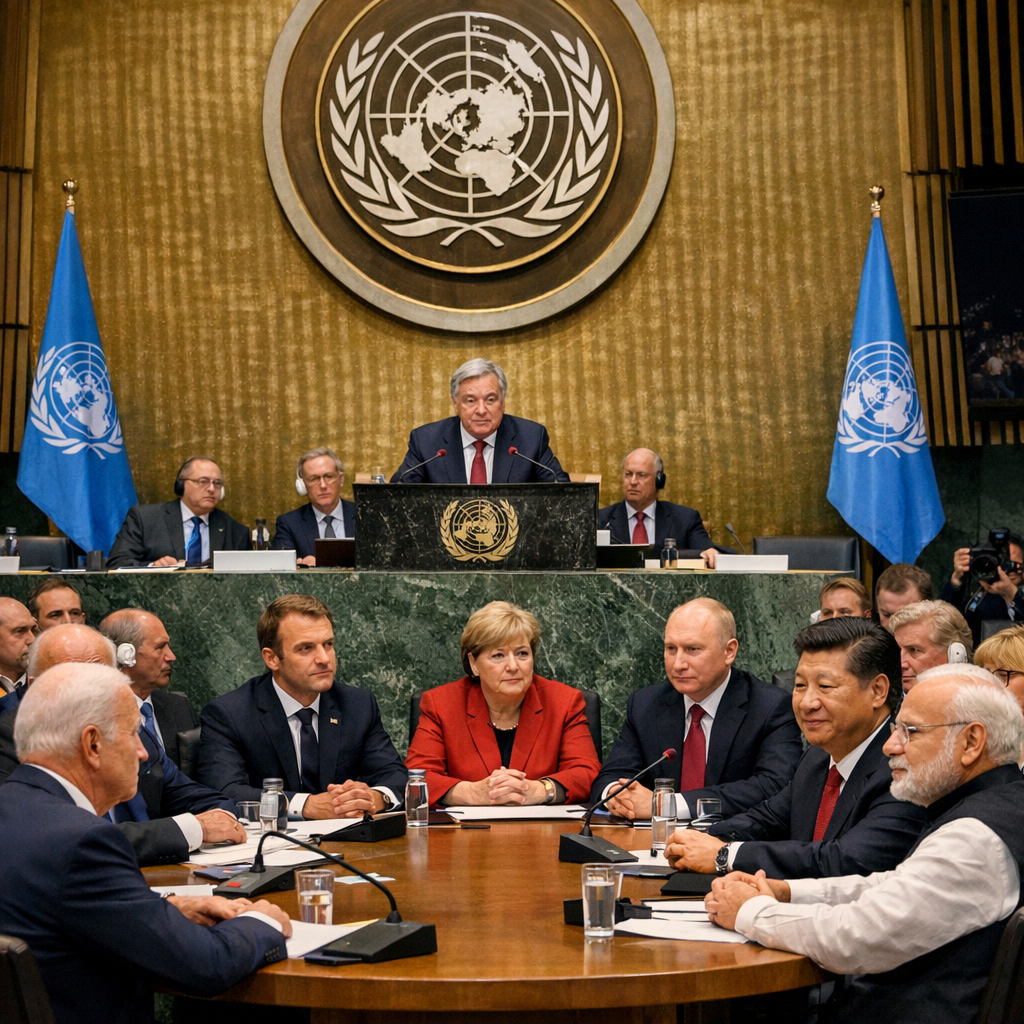
Across the globe, certain patterns are unfolding that go beyond any single country or moment—shifts that are likely to influence our shared future in profound ways. From climate and democracy to conflict, these trends require attention from every community, including ours in Mount Pleasant.
Democracy in Retreat and Why It Matters
Recent global reports show democracy is under sustained pressure. According to a major analysis, more countries declined in democratic performance than improved, with rights like press freedom and judicial independence weakening in many places. In fact, some experts say that, on average, the level of democracy in the world has rolled back decades.
When democratic structures erode—through weakened checks and balances or curtailed civil liberties—the risk of instability rises. Less accountability and fewer protections for dissent can also increase domestic tensions that spill across borders.
Conflicts Multiplying, Overlapping, and Globalized
Wars and crises that once seemed contained to single countries are increasingly shaped by external forces. Power rivalries, foreign financing, and even global supply chains now influence local conflicts. Civil wars are no longer just disruptions within borders—they affect regional stability, migration, and international security.
The numbers are stark: dozens of active armed conflicts span every continent. Some are worsening, others show signs of stagnation, but very few are improving significantly. Many conflicts today involve a mix of state and non-state actors supported by outside interests.
Climate Change: The Crisis That Amplifies Everything Else
On climate, recent data confirms what many scientists have warned: the Earth is warming rapidly, and human activity is the main driver. Temperatures and greenhouse gas emissions reached new highs recently. Predictions show that, even under all current national pledges, warming is likely to rise well above safe limits.
Extreme weather—droughts, storms, floods—is hitting more frequently. Such events exacerbate vulnerabilities caused by poverty, weak infrastructure, or political instability. In short, climate risks tend to worsen other problems rather than sit on their own.
Why Local Communities Should Care
- Global ripple effects: Conflicts can spur refugee flows or disrupt global trade. Democracy erosion can affect norms that influence alliances and foreign policy.
- Economic consequences: Climate change and political instability can drive up costs, threaten supply chains, and create uncertainty in investment and jobs.
- Moral and civic responsibility: How countries respond—through aid, diplomacy, or internal reform—reflects shared values and can set the global tone for years to come.
Paths Forward
While the challenges are serious, there are levers for change. Strengthening democratic institutions, protecting free media, raising awareness of external involvement in conflicts, and accelerating climate adaptation are all areas where action, even on a modest scale, matters.
At the global level, cooperation—through international norms, development funding, and clear diplomatic pressure—can help. Locally, communities can support global engagement through education, sustainable habits, and advocacy.
The world stands at something of a crossroads. If we pay attention now—locally and globally—there’s still time to shift direction. Ignoring the signs won’t stop them.