

Recent developments in U.S. economic policy have sparked discussions nationwide. Notably, the Trump administration’s implementation of new tariffs and tax reforms has led to varied economic indicators.
Job Market Trends
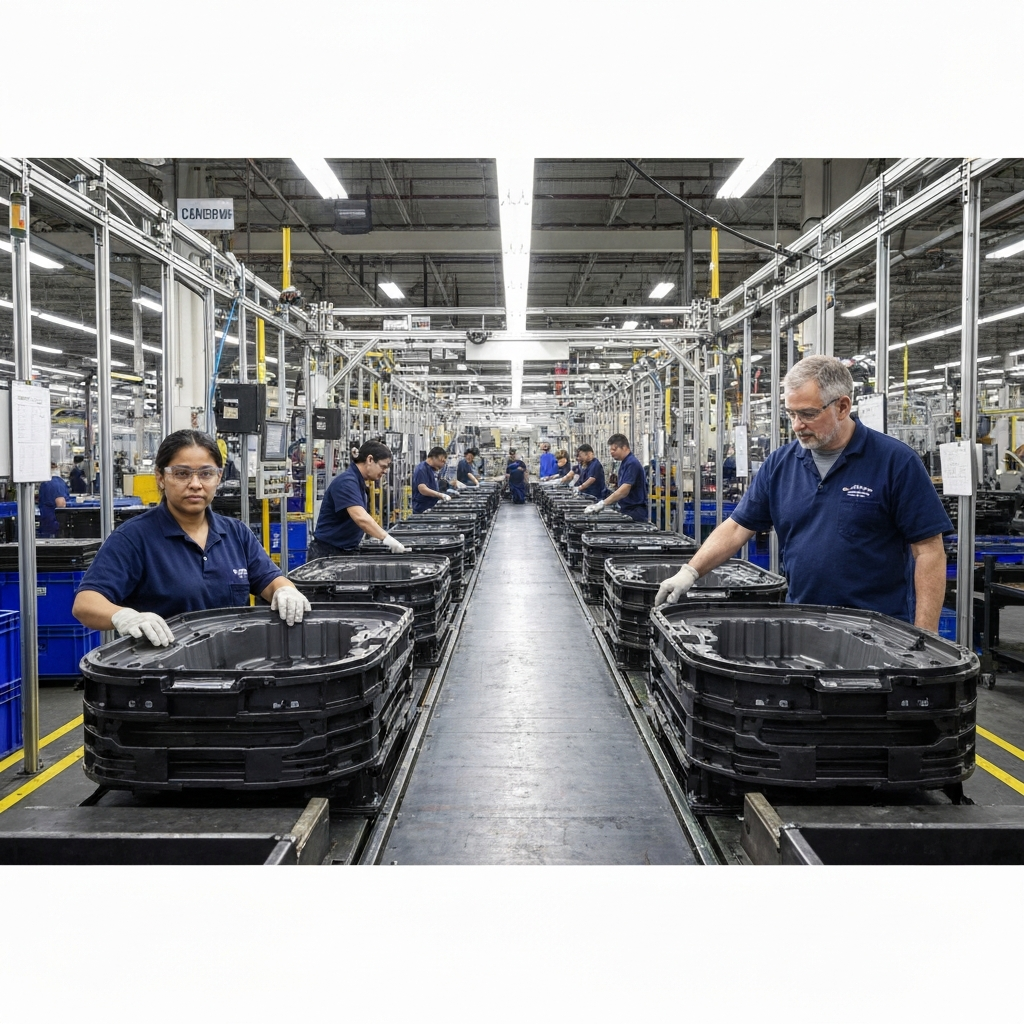
According to recent reports, U.S. employers have shed 37,000 manufacturing jobs since the introduction of tariffs in April. This decline challenges previous expectations of a manufacturing resurgence. Additionally, net hiring has decreased over the past three months, with job gains averaging 73,000 in July, 14,000 in June, and 19,000 in May, totaling 258,000 fewer jobs than earlier projections. In contrast, the economy added an average of 168,000 jobs per month last year.
Inflation and Consumer Prices
Inflation rates have also seen an uptick. A recent report indicated that prices rose by 2.6% over the year ending in June, up from 2.2% in April. Notably, prices for imported goods such as appliances, furniture, and toys increased from May to June, suggesting that tariffs may be contributing to higher consumer costs.
Gross Domestic Product (GDP) Growth
Economic growth has shown signs of slowing. Data revealed that the U.S. GDP grew at an annual rate of less than 1.3% during the first half of the year, a significant drop from the 2.8% growth observed last year. This slowdown raises questions about the long-term effects of current economic policies.
Federal Reserve’s Role
In response to these economic indicators, President Trump has called for the Federal Reserve to cut its benchmark interest rates, aiming to stimulate economic growth. However, such measures could potentially lead to further inflationary pressures.
As these policies continue to unfold, it is crucial for citizens to stay informed about their potential impacts on the national economy and local communities.